

Sunderfolk
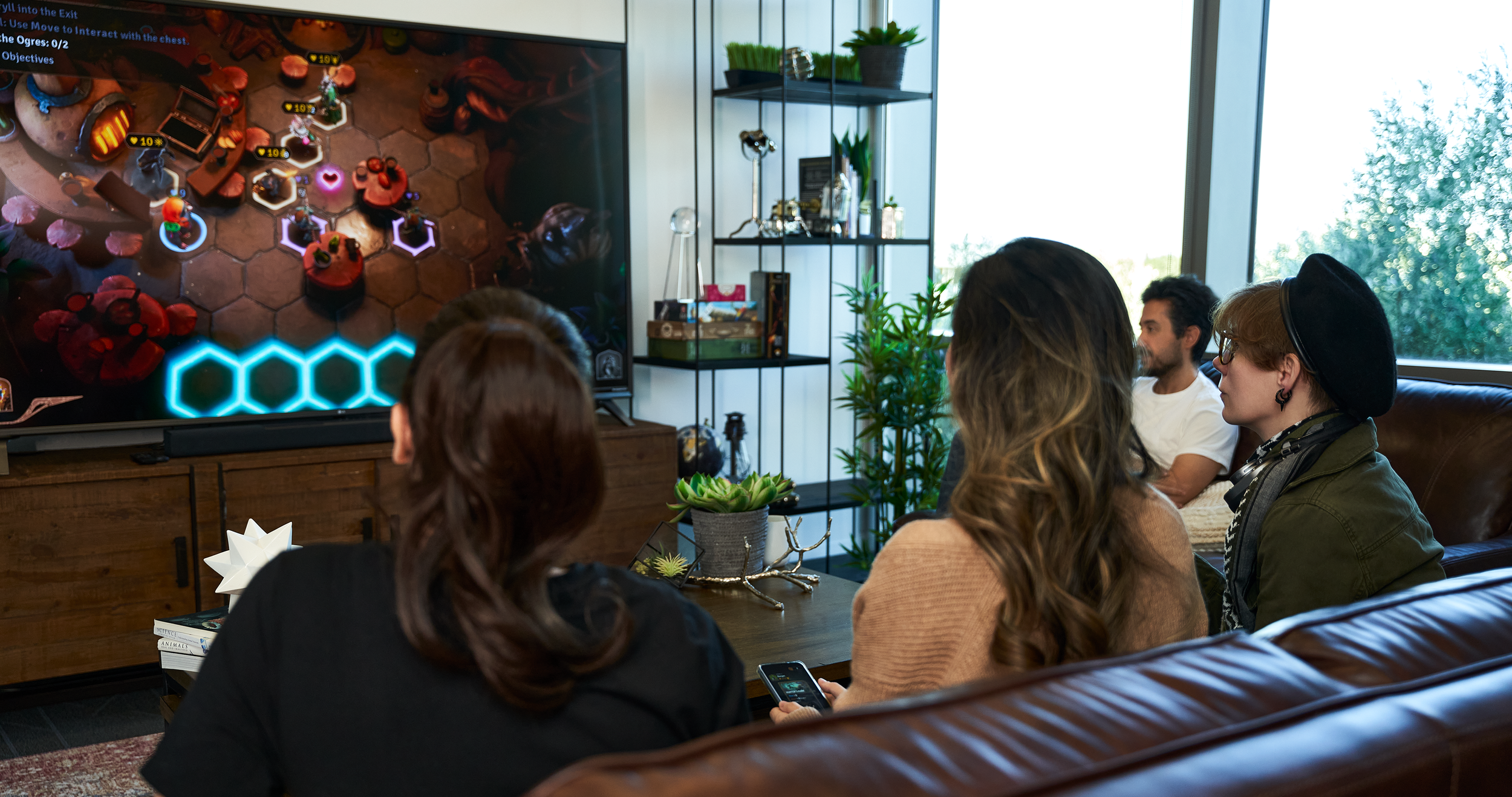
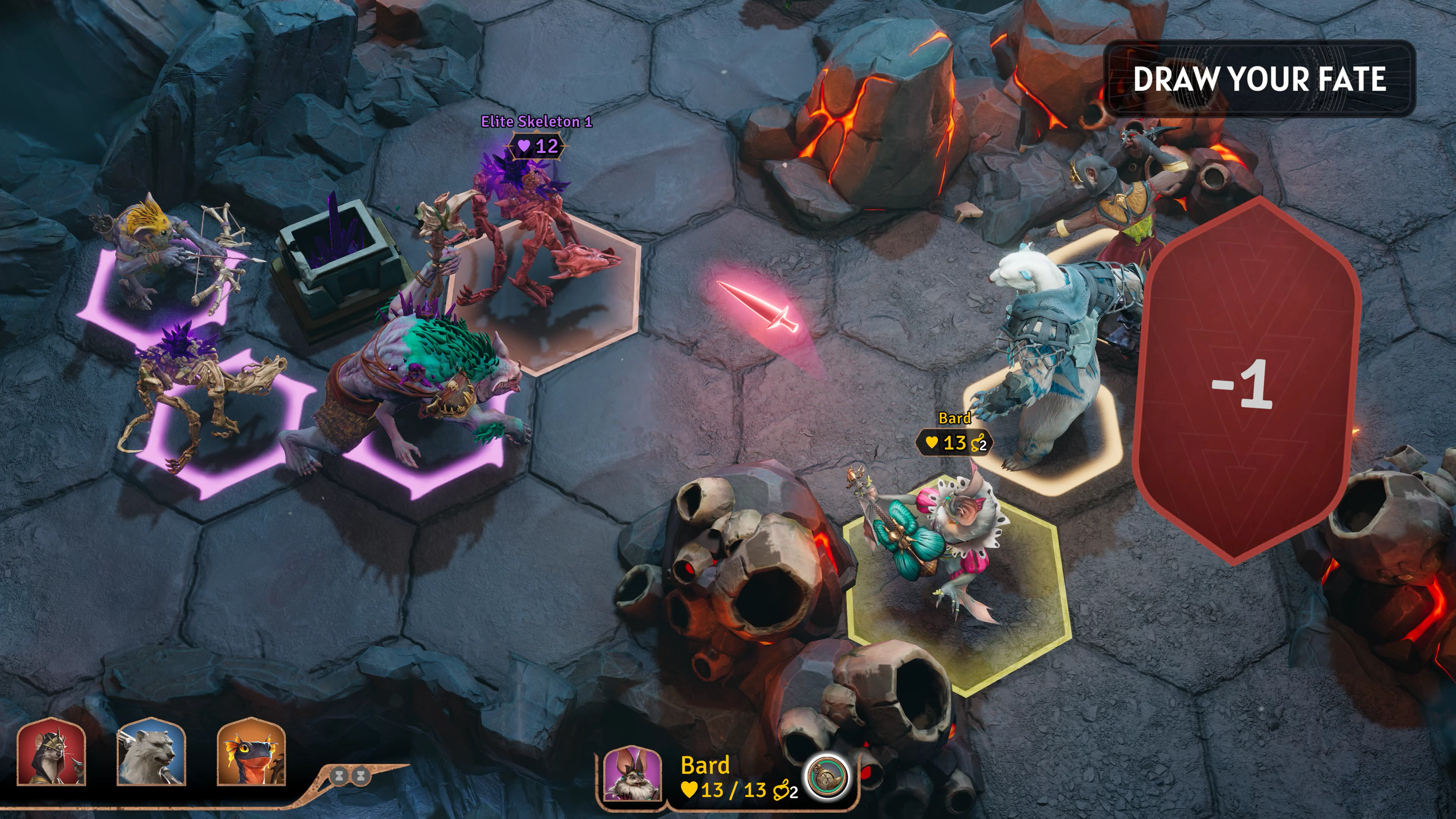
A couch co-op, turn-based tactical RPG where up to 4 players select from 6 classes and explore the Sunderlands together through their phones. Assisted development during summer internship and released on April 23, 2025.
Highlights
A simple rundown of what I worked on in this project.
Role: Technical Encounter Designer
Engine: Unity
Studio: Dreamhaven (Secret Door)
Timeframe: 3 Months
-
Prototyped enemy and encounter designs in Unity through custom tools.
-
Designed, scripted, and iterated on encounters to provide engaging mechanics and polish player experience.
-
Engaged in discussions with fellow designers to make sure level designs and environmental elements in encounters line up with current narrative.
-
Prototyped experimental enemy mechanics to add depth and variety to player encounters.
Trailer

Challenges
Mastering the Toolbox
One of my first challenges was getting up to speed with the studio’s tools. While I was familiar with Unity, I had to learn a variety of custom tools that were actively being iterated on. Gaining a solid foundation in this toolset became my first focus.
To learn, I started with any and all documentation provided. This helped me form a basic understanding of how the custom tools interact. Next, I experimented as much as I could. I built experimental creatures, set specific goals, and tested different ways to achieve them using the tools. I also studied existing levels and creatures to understand how things were implemented. If there was anything that still confused me after my hands-on work, I reached out to my fellow designers to clarify. By the end of the first week, I had a solid grasp of exactly how the tools worked and was able to begin contributing.
Beyond my learning, I took detailed notes on anything confusing or unintuitive for the tools engineers and designers. I shared this feedback with them to provide some information on how to streamline the learning process for future designers.
Bringing Creatures to Life
My first design task was to create a unique monster with a new mechanic or ability for players to strategize around. To do that, I first had to understand the existing creatures, their abilities, and the limitations of the tools and systems in place.
I started by reviewing all the implemented creatures and heroes to make sure I wasn’t duplicating any ideas. Then, I focused on understanding the system itself. While some limitations only became clear during implementation, knowing what the current system supported helped guide my design.
Once I felt I had a solid understanding of both the existing creatures and the systems, I began to brainstorm. However, I quickly found myself struggling with the blank page dilemma. At this point, I was introduced to the concept of a “bad ideas list”. I wrote down anything that came to mind. This helped me generate a wide range of ideas which I filtered based on personal interest, existing creatures, and any technical limitations.
With a few solid ideas in place, I moved on to prototyping and playtesting. After implementing some variations of the creature in engine, I ran an internal playtest with fellow designers and recorded their feedback. This feedback would help guide the next iteration of the design. Through multiple prototypes, my design solidified into a creature that was unique and engaging for players to interact with.
Stealth, Strategy, and Stolen Treasure
After gaining a solid understanding of the systems, levels, and creatures, I was tasked with improving an existing level. The setting, narrative, and objectives were already in place so my challenge was to work within these constraints to create something more engaging.
With a stronger grasp of the game’s world, I focused on the narrative elements that tied to this level. Set in the base of a specific monster type, I reviewed their lore and behavior for inspiration. These creatures were described as hoarders, which quickly sparked an ideas. What if their hoarded items became a core gameplay element?
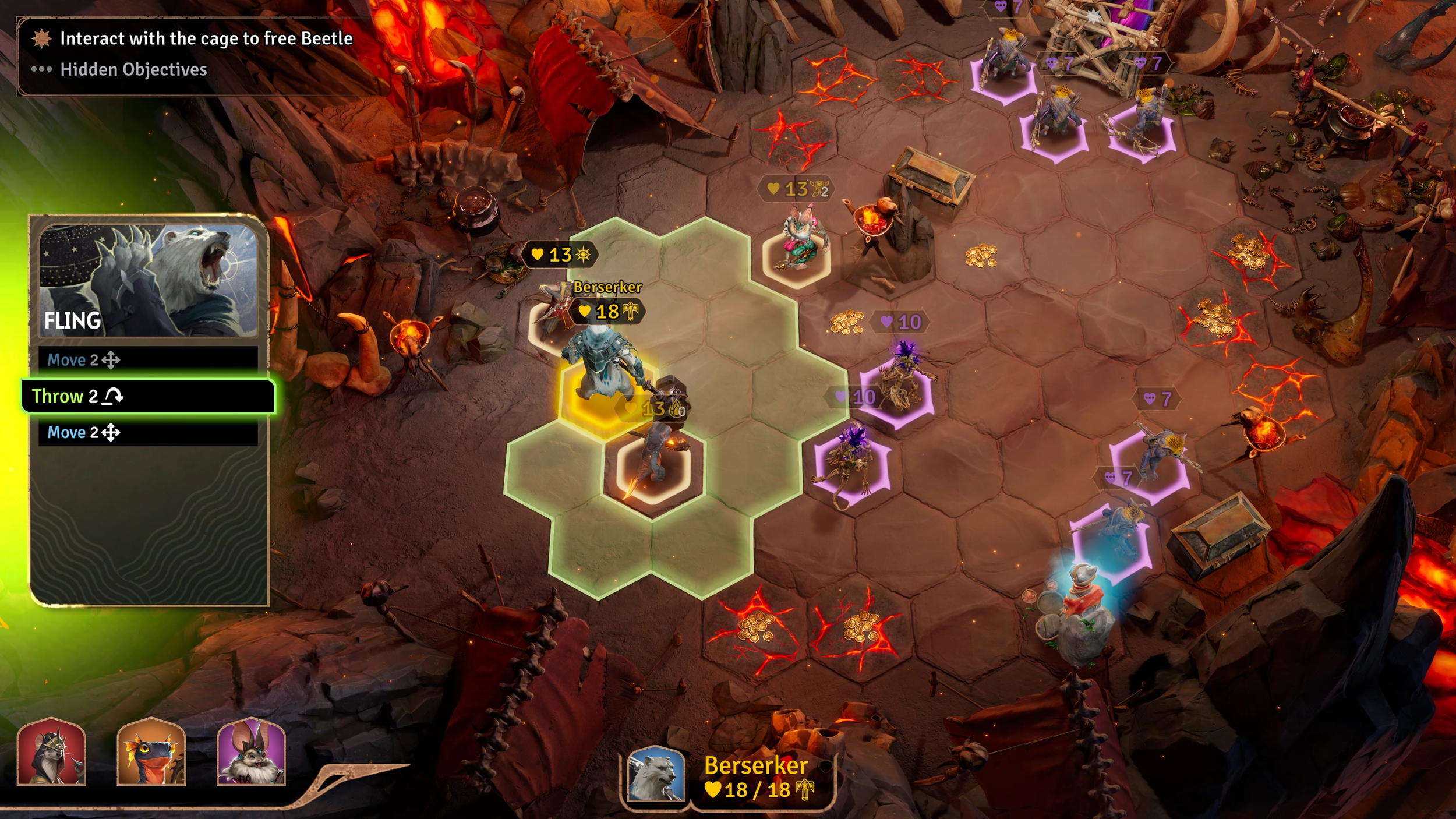
Since this mission also involved infiltrating their base, a stealth approach made sense. I designed a mechanic were players had to sneak through the level while moving hoarded contains of goods without making too much noise. By arranging the environment in a puzzle-like fashion, players had to strategically shift objects or use their abilities creatively to progress.
With some internal playtesting and iteration based on feedback, this level became a hit within the studio.
Important Takeaways
Embrace Imperfections
I used to feel like every design needed to be perfect before I even started prototyping, but designs improve through iteration. Not every idea needs to be fully formed from the start. Writing down ideas freely while using the “Bad Ideas List” made brainstorming easier and helped me overcome this tendency. Once the list was built, narrowing down concepts and experimenting became more natural. This approach helped me move past perfection paralysis and focus on refining ideas through iteration and prototyping.
Design With Purpose
When creating a new monster or encounter, I began to design around two important questions: What challenge does this present to the player? How are they expected to solve it? This helps frame my designs so that they are always presenting a new and engaging problem to solve.
Another important part of this process is analyzing exactly what players have at their disposal when they run into the encounter/monster. Their abilities, movement, passives, and items can vary greatly depending on when they engage with the encounter or monster in the game. As players advance and gain more tools, increasing the difficulty and complexity of the challenge presented keeps them engaged and pushes them to experiment in new ways.
Finally, the context of the encounter influences its design. An enemy found alone might haver higher health or deal more damage while those appearing in groups should be balanced differently. Considering how a monster appears allows each interaction feels intentional, challenging, and rewarding.
Iterate, Test, Improve
No design is perfect from the start. Prototyping, playtesting, and iteration are the keys to creating something truly engaging. My focus is always on crafting an interesting core idea and refining it through fellow designer and player feedback.
Also, when playtesting, first impressions are invaluable. They very easily reveal what works, what doesn’t, and where changes are needed. Prioritizing the cycle of testing, feedback, and iteration leads to stronger, more polished designs.
Constraints = Creativity
Constraints are often seen as limitations, but I quickly realized that they can be a powerful tool in design. Every task I was given came with some set of restrictions, whether it was technical, narrative, or gameplay-related. Instead of viewing these as obstacles, I found that they helped focus my creativity and pushed my designs in new directions.
Having clear limitations also helps combat the blank page dilemma. When you know what can’t be done, it provides a starting point and a framework to build from. Constraints force problem-solving and encourage out of the box solutions that might not have been considered.
In every instance where I worked within constraints, the result was a more refined and intentional design. These restrictions didn’t hinder my creativity. They fueled it and led to more exciting encounters and monsters.